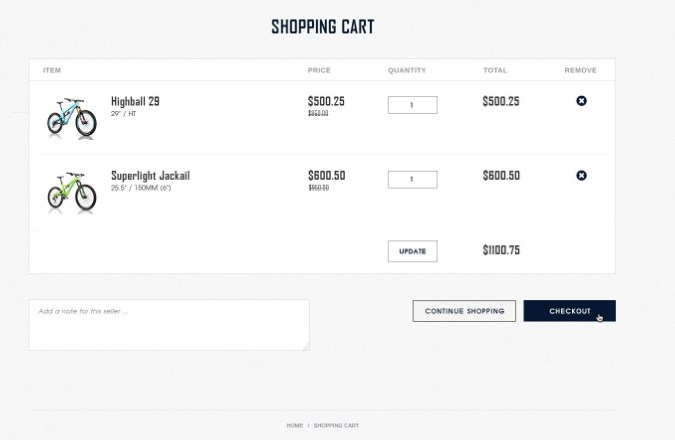
Anyone interested in selling products online might find the prospect of designing a website storefront with a
shopping cart and credit card processing intimidating. At one time,
creating an online store required programming knowledge and lots of
money. But today, there are many easy to use and affordable,
full-service e-commerce providers perfect for the small or home-based
business.
Not sure what to expect from an e-commerce software provider? For the most part, providers offer shopping cart solutions for your new or existing web site, allowing you to easily build, edit, and maintain your online shop, and collect orders without any programming or HTML knowledge.
Most providers offer everything you need, including hosting, templates and more, or you can integrate them into your existing website. Most of these offer payment gateways and use of their credit card services, as well as allow you to use PayPal. Some charge transaction or set-up fees and others don't. They all offer a free trial, which gives you the chance to test them all to find the one that best suits your needs.
 Volusion
is my top recommendation, not only for the low price, but all the bells
and whistles that come along with its affordability. There is ample
support, fraud protection for your customers, options for credit card processing as
well as accepting PayPal payments, and many website templates to choose
from. Further, it offers responsive design, mobile e-commerce and
social media integration (i.e. Facebook store). Basically, Volusion
offers everything you could want or need to run a successful and
effective e-commerce store. Volution offers many plans starting at only
$14 per month (you can test it with a free 14-day trial).
 Shopify is also another top recommendation because it is so
customizable. Within the typical e-commerce solution and hosting, there
is a Shopify App store (much like Apple's) which allows you to shop for
and select add-on applications for your Shopify site. For example,
Shopify offers to buy buttons for Pinterest, Twitter, and Facebook. It
provides everything you need or you can integrate into your existing
website or store. It offers mobile options as well. In addition, you get
great support, fraud protection, options for credit card processing and many website templates to choose from.
Plans start at $29 per month but that includes unlimited products and 24/7 support.
 Big Commerce is another well-priced and fully stocked e-commerce
service provider. It offers fraud protection, varying credit card
processing features and a wide selection of website design themes,
including responsive design, and mobile e-commerce. It also offers a
wide range of support options and the ability to show product images in
varying ways. Big Commerce offers unlimited products, storage and
bandwidth, and the ability to sell on Pinterest and Facebook, as well as
Google Stores on the bigger, Pro and Enterprise plans.
 3Dcart is an e-commerce solution targeting those who wish to sell a
larger amount of products. It includes many of the bells and whistles as
the other providers such as mobile e-commerce, social media integration
and more.
 Like other providers, Fortune3 offers everything you'd need to set up
an e-commerce store with six plans to choose from starting at $9.95 a
month. A few other providers offer gift cards, and Fortune3 give you the
ability to sell and accept gift certificates. Plus there is Facebook
shopping integration, email marketing, and the ability to create an affiliate program.
What's different from other providers, is that Fortune# includes all
features in all plans. The difference between the plans is the number of
products. The two most expensive plans have set up fees as well.
Not sure what to expect from an e-commerce software provider? For the most part, providers offer shopping cart solutions for your new or existing web site, allowing you to easily build, edit, and maintain your online shop, and collect orders without any programming or HTML knowledge.
Most providers offer everything you need, including hosting, templates and more, or you can integrate them into your existing website. Most of these offer payment gateways and use of their credit card services, as well as allow you to use PayPal. Some charge transaction or set-up fees and others don't. They all offer a free trial, which gives you the chance to test them all to find the one that best suits your needs.
Here affordable solutions for opening a small e-commerce store:
Volusion
 Volusion
is my top recommendation, not only for the low price, but all the bells
and whistles that come along with its affordability. There is ample
support, fraud protection for your customers, options for credit card processing as
well as accepting PayPal payments, and many website templates to choose
from. Further, it offers responsive design, mobile e-commerce and
social media integration (i.e. Facebook store). Basically, Volusion
offers everything you could want or need to run a successful and
effective e-commerce store. Volution offers many plans starting at only
$14 per month (you can test it with a free 14-day trial).
The lowest cost plan features:
- $14 per mo (free 14-day trial)
- 100 Products
- Unlimited Storage
- No Transaction Fees
- 1GB Bandwidth
- Online Support
- Mobile Commerce
- Responsive Templates
- Free Slideshow
- Mobile App
- Facebook Store
- Social Media Tools
- Automatic Tax Rates
- And more
Shopify
 Shopify is also another top recommendation because it is so
customizable. Within the typical e-commerce solution and hosting, there
is a Shopify App store (much like Apple's) which allows you to shop for
and select add-on applications for your Shopify site. For example,
Shopify offers to buy buttons for Pinterest, Twitter, and Facebook. It
provides everything you need or you can integrate into your existing
website or store. It offers mobile options as well. In addition, you get
great support, fraud protection, options for credit card processing and many website templates to choose from.
Plans start at $29 per month but that includes unlimited products and 24/7 support.
- Starts at $29 per mo
- Free trial
- Unlimited products
- 24/7 Support
- Discount codes
- Website/Blog
- 100+ themes
- Mobile commerce
- Social media integration
- Email marketing
- and more.
Big Commerce
 Big Commerce is another well-priced and fully stocked e-commerce
service provider. It offers fraud protection, varying credit card
processing features and a wide selection of website design themes,
including responsive design, and mobile e-commerce. It also offers a
wide range of support options and the ability to show product images in
varying ways. Big Commerce offers unlimited products, storage and
bandwidth, and the ability to sell on Pinterest and Facebook, as well as
Google Stores on the bigger, Pro and Enterprise plans.
The least expensive plan features:
- $29.95 per month (15-day free trial)
- Unlimited products
- Sales up to $50k per year
- 24.7 live agent support
- 100+ design templates
- Social media connectivity
- Mobile e-commerce
- And more
3DCart
 3Dcart is an e-commerce solution targeting those who wish to sell a
larger amount of products. It includes many of the bells and whistles as
the other providers such as mobile e-commerce, social media integration
and more.
The Mini Plan offers:
- $19.99 per month (you can test with a free trial)
- 200 products
- Up to 4000 visits a month
- $25 in free ad credits
- Social media connectivity
- No transaction fees
- 24/7 tech support
Fortune3

The Starter plan features:
- $9.95 per month (30-day free trial)
- 20 products
- Unlimited support
- No Set-up Fee
- Unlimited storage and bandwidth
- No transaction fee when you use Fortune3 credit card services